MU Shorts
Real Madrid set their roadmap for next season including coach and transfer plans


A fresh report from Goal has given a comprehensive update on Real Madrid’s roadmap in the summer transfer window and how they plan to build their squad ahead of the new season.
The club are clear about the continuity of Carlo Ancelotti, but the Italian could have an uphill task organising a team that will witness many defections at the end of the season.
Uncertainty over Lunin, Mendy and Nacho
In the defensive unit, Real Madrid are not entirely sure about the continuity of Andriy Lunin, which has posed questions as to who will serve as the alternative for Thibaut Courtois next season.
Should the Ukrainian international depart, Real Madrid could pursue David Raya as a potential replacement. The club are facing a similar dilemma in the left-back unit, with Ferland Mendy facing an uncertain future at Santiago Bernabeu.
Real Madrid are open to sanctioning the sale of Mendy and appeared to have put faith in the returning Fran Garcia. The club have also decided not to utilise the services of Vinicius Tobias and will rely on youngsters like Alex Jimenez and David Jimenez to explode next season.
Elsewhere in defence, both Nacho and Lucas Vazquez have a decision to make, as far as their future is concerned. If Nacho leaves, Real Madrid are unlikely to go after a centre-back and will expect Rafa Marin to compete with Jesus Vallejo for the fourth centre-back position, with Ancelotti likely to maintain trust in David Alaba, Eder Militao and David Alaba.
Bellingham to beef up midfield, Diaz could replace Asensio
Real Madrid are hoping to have one of the best midfield units in Europe following the expected arrival of Jude Bellingham.

The Borussia Dortmund starlet will join forces with Luka Modric, and Toni Kroos, along with youngsters such as Federico Valverde, Eduardo Camavinga and Aurelien Tchouameni next season, offering Ancelotti an array of top-quality options in the middle of the park.
Dani Ceballos, though, is facing an uncertain future at the club. He appears to be very close to leaving the Bernabeu, but Real Madrid have made a last-gasp effort to keep him at the club.
Marco Asensio, meanwhile, looks set to leave the club in the summer, with the Spaniard reportedly closing in on a move to Paris Saint-Germain. His likely departure has altered Real Madrid’s plans with Brahim Diaz.
Although the former Man City starlet was in talks with AC Milan over a permanent move, there is a possibility he could remain at Bernabeu and serve as the direct replacement for Asensio.
Harry Kane an option in attack
Karim Benzema considering a last-minute move to Saudi Arabia has given a massive headache to Real Madrid’s bosses, as it can not only force them to enter the market for a new forward but also scupper their plans to sign either Erling Haaland or Kylian Mbappe in 2024.
Harry Kane appears to be the front-runner to replace Benzema if he leaves the club. Ancelotti is a fan of the Englishman, who might want to leave Spurs after yet another disappointing campaign.
Elsewhere, Real Madrid are expected to bring in Joselu Mato as a replacement for Mariano Diaz. The Espanyol striker will serve as the alternative to the main centre-forward at the Bernabeu next season.


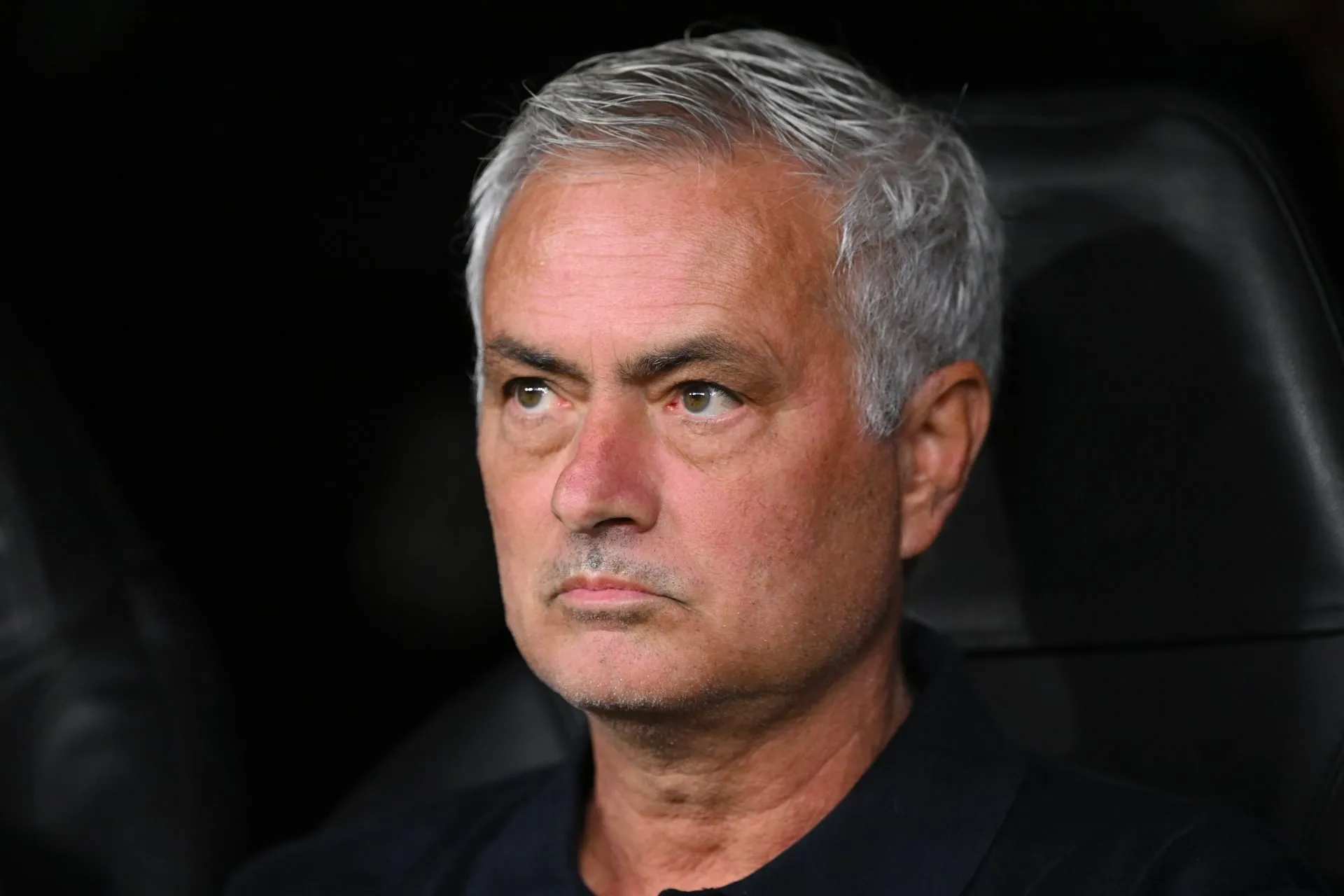
Real Madrid’s season, under the returning Jose Mourinho, has not started as expected at the club.
In terms of results, eight matches have produced six wins one draw and two defeats in all competitions. Both losses have come in La Liga (five wins), leading to the Merengues occupying the fourth place in the table.
Meanwhile, arch-rivals Barcelona have maintained a perfect winning record riding on their relentless goalscoring form, opening up a six-point lead at the table.
Mourinho is using the international break to analyse what has gone wrong and what can be improved. And, several metrics and statistics show that Real Madrid has significant room for improvement.
As highlighted a few days ago, Real Madrid are the team that covers the fewest kilometres per match in La Liga on average, at 96.5, almost ten fewer than Barcelona’s 104.5. Los Blancos are also second-bottom for high-intensity runs per match, with 394.
Possession and defensive numbers
There are further figures suggesting that Real Madrid could be doing more in terms of off-the-ball efforts and defensively.
Real Madrid also happen to be the team that commits the fewest fouls, with 59, fewer than half Espanyol’s 120, yet it is also the team that has been fouled the most in La Liga, with 97.
In terms of recoveries, the Spanish capital giants rank 16th with 302, 38 fewer than Barcelona, while they are also near the bottom for interceptions, ranking 17th.

One argument could be that these figures indicate that Real Madrid are dominating games more often than they are dominated, leaving fewer opportunities to be aggressive without the ball.
However, the numbers do not particularly support that theory either. Real Madrid average 52.3% possession, only slightly more than half.
That is a long way behind Barcelona’s 68.7% and also below Villarreal at 61.4%. Even Atlético Madrid (59.1%) and Real Betis (53.6%) outdo the Merengues.
That possession also allows Barcelona to protect themselves more effectively. The Catalans have conceded just 51 shots, including 22 on target, while Real Madrid have faced 89 shots, with 31 on target.
Finishing not up to the mark either
Real Madrid can improve defensively, but the attacking numbers also reveal significant room for growth.
The biggest issue is finishing. The Merengues have scored 18 goals, 13 fewer than Barcelona’s 31.

That is despite the two teams having taken a similar number of shots: Barça have attempted 150, compared with 131 for Los Blancos. The difference is even smaller when looking at shots on target, with 58 for Barcelona and 53 for Madrid.
Barcelona’s players score once every 1.8 shots on target, while Real Madrid stars needs almost three.
The contrast is particularly clear when comparing the leading scorers for both teams, Raphinha and Kylian Mbappe.
The Brazilian has scored 12 goals from just 25 total shots and 16 shots on target. Real Madrid’s No. 10, meanwhile, has scored seven goals from 41 attempts and 22 shots on target.
The numbers clearly show that Real Madrid have a lot of work to do, both in defence and in attack, if they are to close the gap to the top.
Source: AS